THINK Before You Act, and Make Tourism Safe for Every Child

January 5, 2026

Tourism is a wonderful thing. Perhaps more importantly, it can be a significant force for good.

On occasion, though, it can be extremely harmful, whether to the environment, a local economy, or something very close to my heart, children. It’s a very sensitive topic, and that is why I believe deeply in the ChildSafe Movement and one of its most powerful tools, the simple word: THINK.

THINK: Before you act, visit, take a photo, donate, or volunteer, consider the following: “How would I feel if that were my child?”

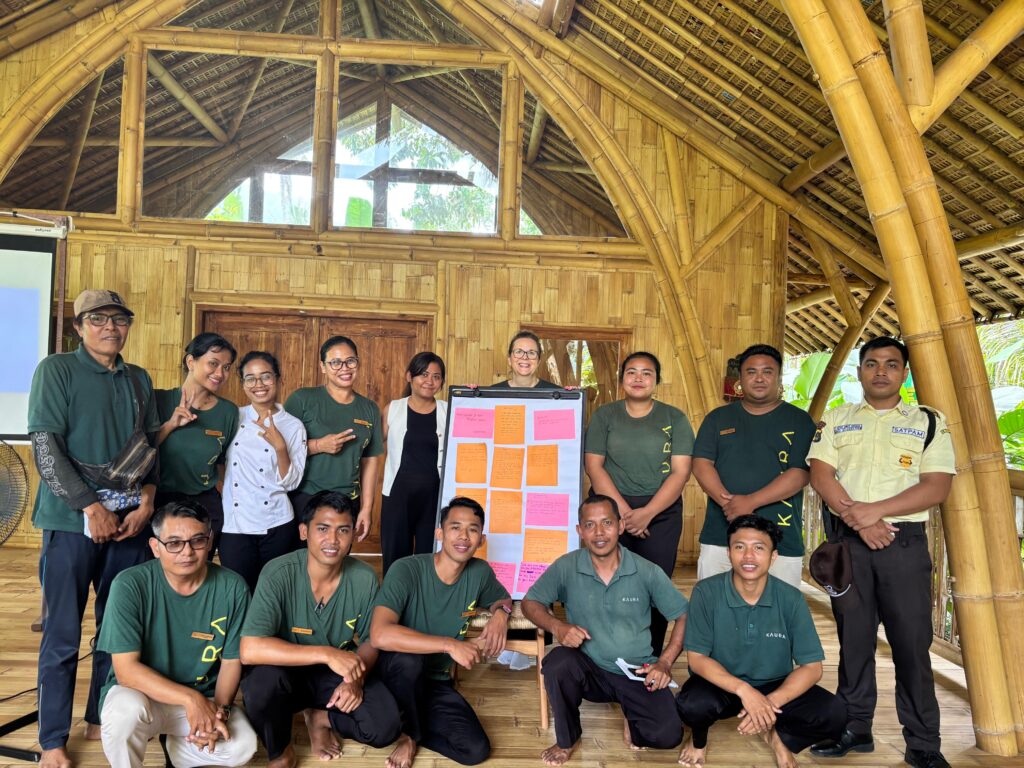
Michaela (centre behind white board) during a ChildSafe training at Kaura Bali, Discova's eco-consious immersive retreat

THINK Before You Take a Photo

Take photography as a very common example. A well-meaning tourist visits a local community and sees the local children walking around, happily waving, smiling, and connecting with the curious foreigner. The tourist wants to take a photo to share on Facebook. Sadly, in today’s interconnected digital world, those photos, whether private or not, can give predators an opportunity to learn the location of these children. Information we think might be safe to share on online platforms is simply not.

Do tourists ask for permission from parents to take photos of their children? I often wonder how I would feel if a stranger took pictures of my own children, nieces, nephews, or friends’ kids. Honestly, I’m not comfortable with it at all.

Before taking a photo of a child, pause for a moment. Ask yourself whether it’s truly necessary and what purpose that photo will serve.

If you still feel the need to capture the image, consider first speaking with the child’s guardian to ask for permission. However, keep in mind that the guardian may not actually ask the child if they want to be photographed, and even if they do, the child might feel unable to say ‘no’. We don’t need to put them in that situation; we could avoid it altogether and store the memory of our trip deep in our minds and hearts. If we at Discova deem it absolutely necessary to take photos for our own Eileen Yee Educational Fund, for example, we don’t share the real names of students. We have documented permission from their guardians, and we don’t expose their faces with close-up images.

THINK: “Would you like someone to take a photograph of your child and put it all over social media?”

It changes our approach, doesn’t it? This simple consideration has completely changed mine.

THINK Before Supporting Orphanages

Supporting Orphanages is another challenge our tourism industry can manage better. There are numerous orphanages and day centres across Asia, and a customer might want to support one as part of their itinerary. There are three main problems here.

Firstly, is the orphanage licensed and competent? It is so difficult for us to know what kind of education the kids are getting, are they being well fed and whether the staff are trained in child protection.

Secondly, are the children actually orphans? It is not unknown for gangs to take children from poor families and exploit them. Support the wrong orphanage, and you support the continued exploitation. According to information on the ChildSafe Movement website, ‘out of an estimated eight million children living in institutions across the world, more than 80% are not orphans’.

Thirdly, are all the guests well-meaning? There are local NGOs working with the local government, with the aim of placing these kids in foster homes, so they can experience a loving family environment rather than staying in these institutions for the long term. We leave the professionals with the access, insights, and skills to care for the children in the most compassionate, healthy, and beneficial way possible.

THINK:“Is visiting an orphanage the best way of supporting the children?”

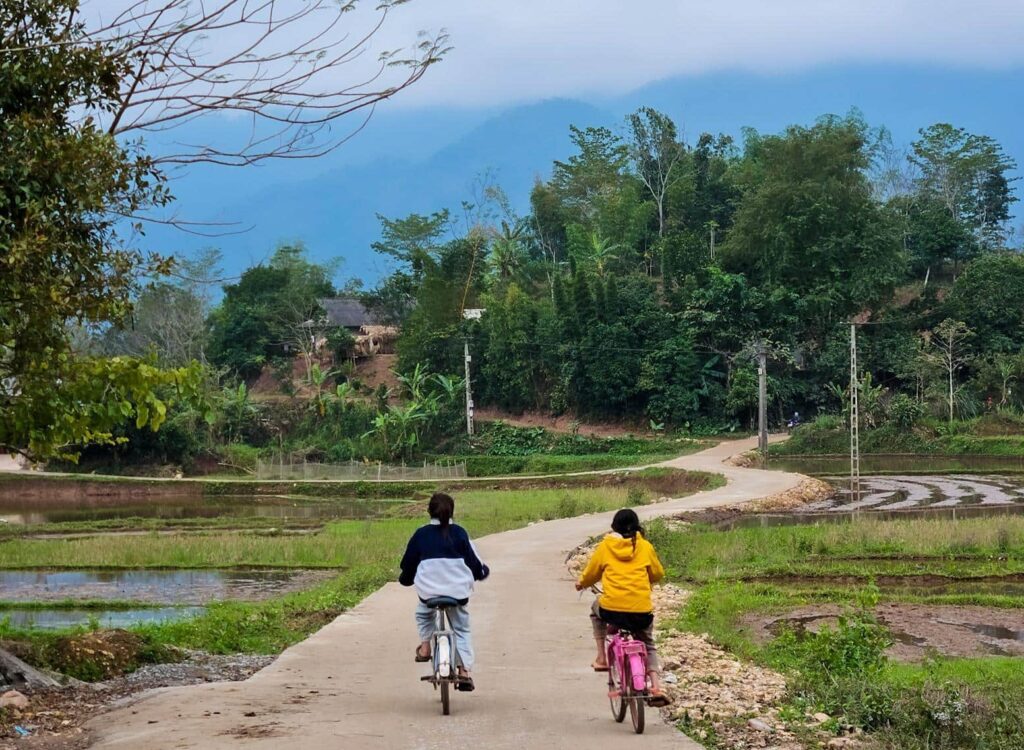
Kids riding their bikes in a Cambodian village where Discova has grassroots connections

THINK Before You Volunteer

Volunteering is another important topic I want to discuss. Lots of people consider volunteering, wanting to help in fields such as teaching. However, too often they lack relevant expertise. Though well-meaning, it can be harmful to the children, especially if the person is not an expert in the culture, language, or traditions of the community. These strangers are coming into orphanages and schools, perhaps only for a couple of weeks. The children get attached to that person, and then they leave, and the next stranger comes in. The cycle continues. It has a negative impact on the child’s attachment to others when, for their entire lives, they see people come and go.

We have the power to have a positive impact through appropriate volunteering. Even if one is a teacher, they shouldn’t come into a community and take away jobs from local teachers. The best impact they can have is via a mutual sharing programme where they upskill local teachers, allowing them to have a greater long-term benefit for the children.

THINK: “Volunteering in a community might feel good, but it could be harmful. We can look at other ways to help the right people in the right way.”

THINK Before Giving to Begging Children

The last on my list of tough subjects is Begging. No one likes to walk past a begging child. I don’t. It breaks my heart every time, but now I understand why giving is the wrong thing to do. If we’re giving them money today, what happens tomorrow? We’re encouraging them to come back to the street and beg again. Often, the money doesn’t even go to the child. It’s given to an adult, sometimes their parent, but other times it is a gang leader making them walk the streets in the heat, selling flowers or water on busy, dangerous roads.

To avoid those problems, some people want to give food, books, or clothes. The trouble is, for example, does the child have allergies? Do they have clean water for the milk powder? The clothes may be sold, and the books may never be read by the child, if they’re even in the right language.

Children can pay a high price for our generosity. They learn to believe that all adults are nice people who give things unconditionally. Unfortunately, not all people are so well-meaning, and this naivety could lead the child into serious danger.

Giving to a begging child doesn’t solve their problem. Tomorrow, they are back on the street when they should be at school. The best way out of the poverty cycle is education, setting their futures up for employment, and a sustainable way to support their families.

THINK: “Are we supporting the child’s long-term future or keeping them on the streets?”

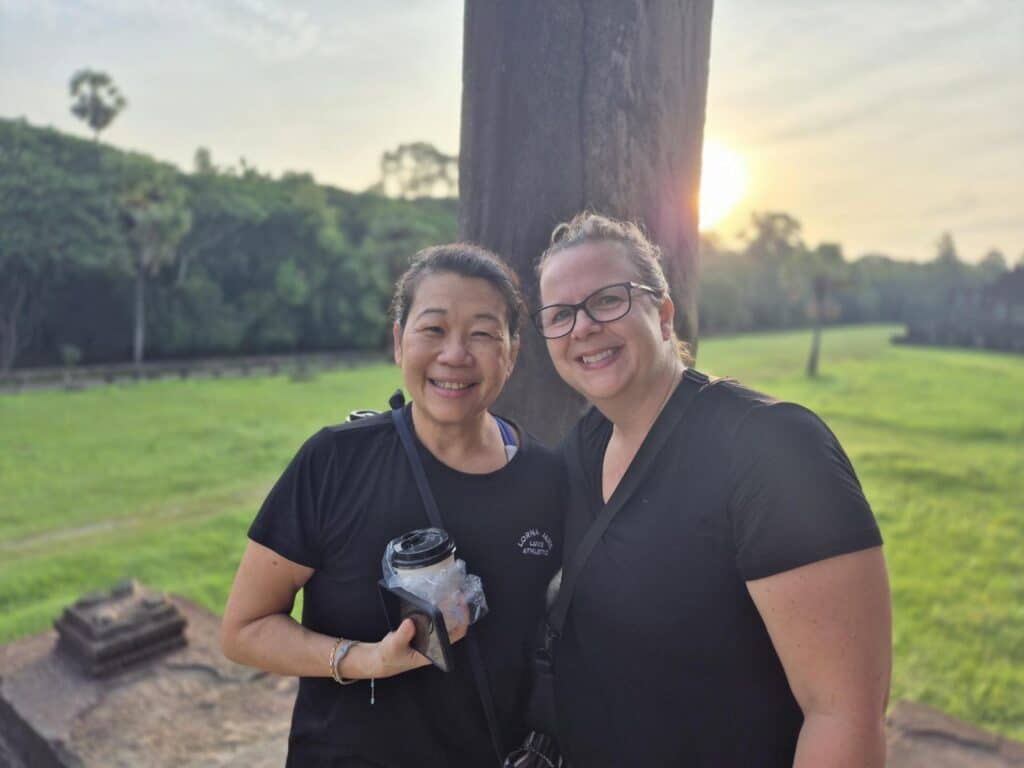
Michaela (right) with Discova Managing Director Suyin Lee (left)

Building a Safer Future for Children

There are a lot of things we just need to THINK about, and the Child Safe Movement helps us draw a clear line between good intentions and actual impact. Working under the Friends International umbrella, they are a global nonprofit organisation that is dedicated to protecting children from all forms of abuse and exploitation.

Discova now has the same policies and processes in place for child protection across our operating regions. We have rewritten our contracts and policies to better protect children, and we openly share them with our clients, partners, and suppliers so that they can align with our best practices.

Getting people to believe this is the right thing to do is the easy part. Now you must weave this belief into your brand and your processes.

I hope this has prompted you to THINK deeper about the effects your business may have on children. You can learn more at www.thinkchildsafe.org

Thanks for reading,

Michaela 

Want to learn more about our community development projects?

We’d love to hear from you!

Unlock Global Educational Insights – Join Our Journey!

Subscribe to the dedicated Discova Educational Travel mailing list

Subscribe to Discova's B2B Travel News & Updates

and stay at the forefront of new product offerings, Discova behind-the-scenes, destination news, travel trends and thought leadership articles from our on-the-ground experts.

© 2024 Discova. All rights reserved.

Subscribe to Discova's Monthly B2B Newsletter

and stay at the forefront of new product offerings, Discova behind-the-scenes, destination news, travel trends and thought leadership articles from our on-the-ground experts.